GreenLabs Lawn & Landscape

Field Note

Landscape Care

When Trimming Is Not Enough

Repeated trimming can hide the real issue when a plant has outgrown its role or no longer fits the bed.

Overview

Property type
Residential planting area
Focus area
Overgrowth and plant fit
Outcome
Clearer maintenance path based on plant role and spacing

Issue and work direction

Issue
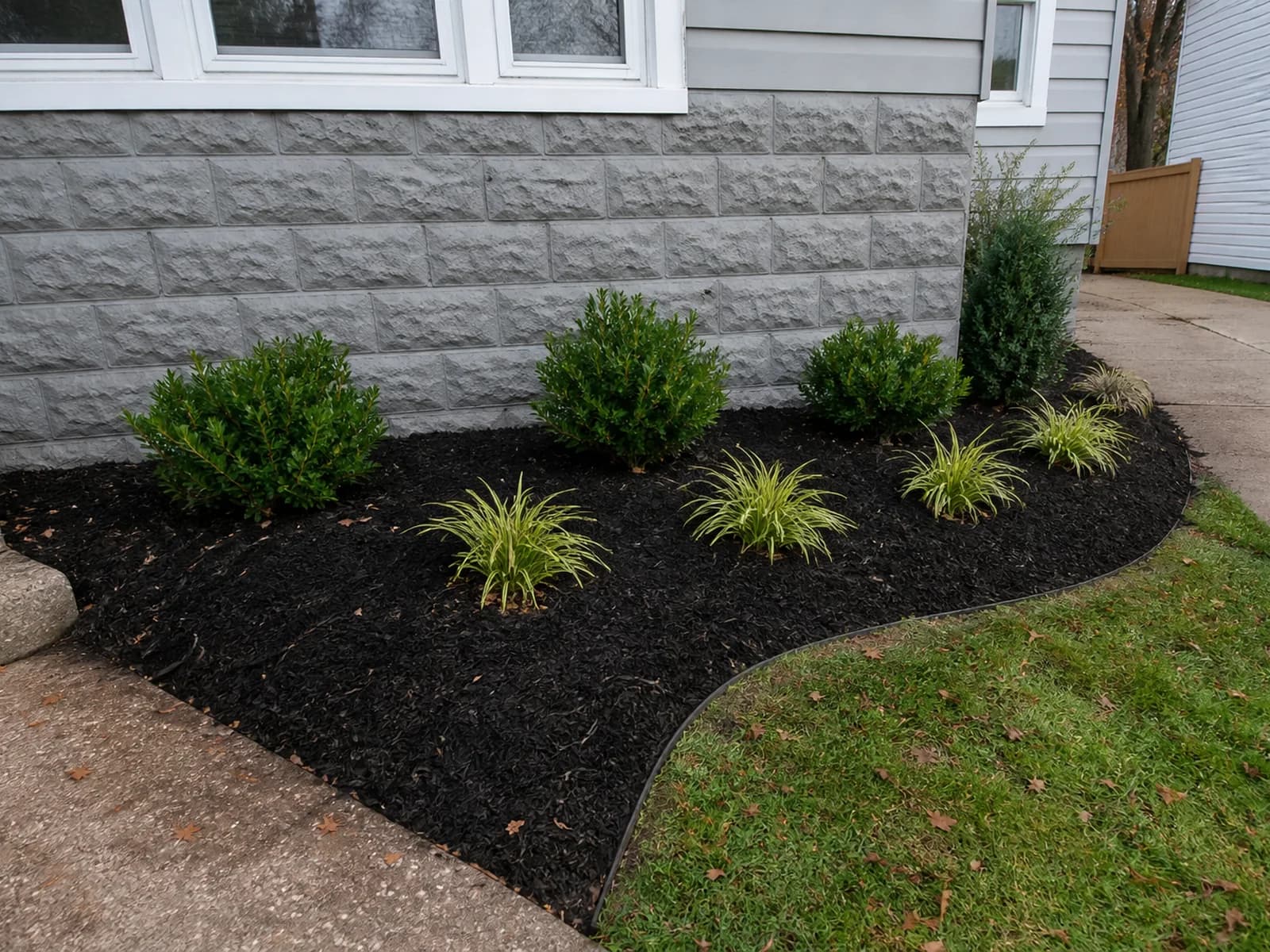
A planting area kept needing aggressive trimming, but the work never made the space feel settled for long.
On site
The repeated growth pattern suggested a plant-fit and spacing problem, not only a maintenance problem.
Work direction
Review plant size, spacing, and role before deciding between continued trimming, selective removal, replacement, or bed renovation.
Result
A clearer care path that reduces wasted effort and points maintenance toward the cause of the problem.

Field Note detail

What changed, and why it matters.

What was observed on site, what work was recommended, and why it matters for the property.

01

Property Issue

The planting looked temporarily cleaner after trimming but quickly returned to the same crowded condition.

02

On site

The plant material was pushing beyond the available space, blocking the intended shape, and increasing maintenance pressure.

03

Work direction

Evaluate whether selective removal, replacement, or bed renovation would solve the condition more effectively than repeated cutting.

04

Result

The homeowner gets a practical choice: keep managing the symptom, or correct the plant-fit issue that keeps creating it.

05

Why It Works Long Term

Maintenance becomes easier when trimming supports the planting instead of compensating for the wrong plant in the wrong space.

Related Field Notes

More Field Notes from similar properties

Related notes show similar maintenance or bed work on other properties.

Bed Renovation

Front Foundation Bed Reset

Issue
Dead or overgrown foundation shrubs left the front bed heavy in some areas, thin in others, and harder to read from the street.
On site
The bed was working with clay soil, partial sun and shade, existing structure worth preserving, and competing plant space near the foundation.
Work direction
Reset the bed structure, replace failed shrubs, preserve useful existing structure, and rebuild spacing around lower-maintenance evergreen form.
Result
A cleaner foundation bed with clearer spacing, stronger structure, and a lower-maintenance path for long-term care.
Bed Maintenance

Why Mulch Alone Does Not Fix a Bad Bed

Issue
A bed still looked unfinished after new mulch because the underlying layout and plant conditions were unresolved.
On site
The surface looked recently touched, but the edge, spacing, plant health, and visual hierarchy still needed correction.
Work direction
Decide whether the bed needs cleanup, editing, re-edging, soil work, planting changes, or a full reset before applying the finish layer.
Result
A more useful path than simply refreshing mulch, with the bed structure addressed before the final surface.

Next step

Ready for cleaner lawn care?

If the situation on your property feels similar, request service and tell us about your yard.